 MHQ Hoodies

In custom clothing and mass production, the choice of printing process has a direct impact on the appearance, quality, cost, and delivery cycle of the product.
Below, we will conduct a comprehensive analysis of the seven mainstream printing processes on the market to help brands, purchasers, and designers make more reasonable choices in practical applications.
Screen Printing
Pros:
High color saturation and vibrancy, strong coverage.
Low cost, suitable for large-scale production.
Water-resistant and abrasion-resistant, with long-lasting patterns.
Can achieve special effects (foam, metallic, fluorescent, etc.).
Cons:
Requires plate making, with one plate per color, resulting in high initial costs.
Limited pattern complexity, unsuitable for high-precision patterns or photographs.
Not suitable for small batches or orders requiring frequent pattern changes.
Thick texture and poor breathability.
Recommended uses:
Brand logos, large solid-color patterns, and large-volume printing orders.
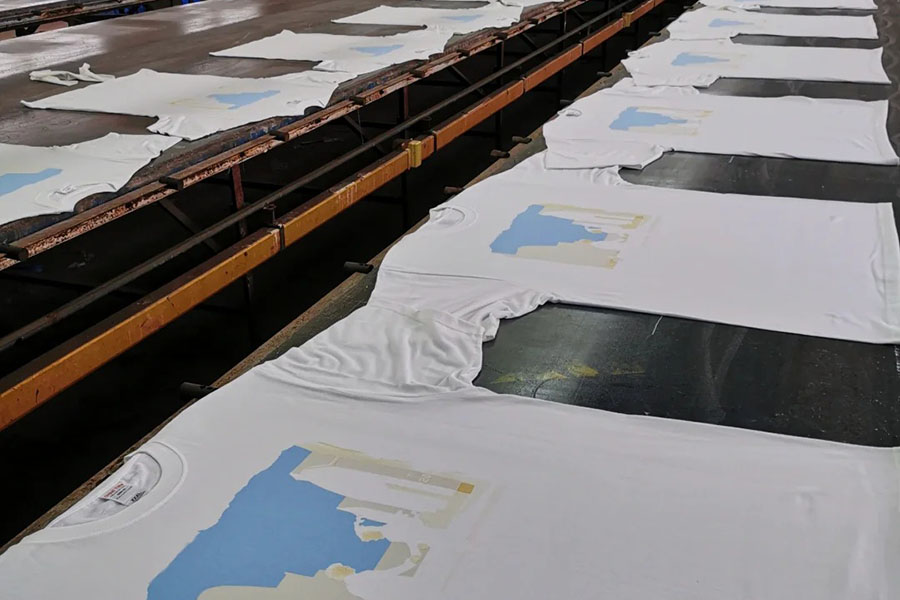
T-shirt screen printing process
Digital Direct-to-Garment Printing (DTG)
Pros:
No need for printing plates, fast printing, suitable for personalized customization.
Can print photo-quality patterns with natural color gradients.
Soft to the touch, patterns penetrate the fibers, and good breathability.
Cons:
High cost, with a much higher cost per item than screen printing.
Slow printing speed, not suitable for bulk orders.
Limited fabric options, with best results on 100% cotton.
Slightly poor durability, with color fading possible after multiple washes.
Recommended uses:
Personalized customization, e-commerce drop shipping, and complex pattern printing.
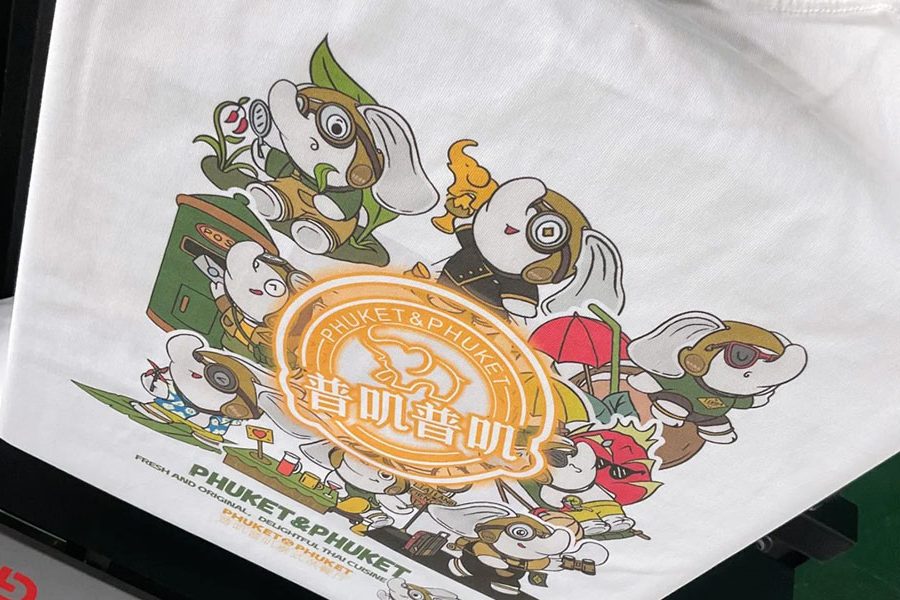
Digital direct-to-garment printing process for T-shirts
Heat Transfer Printing
Pros:
High-definition patterns can be reproduced with vivid colors.
Quick proofing, suitable for small batch customization.
Can be printed on irregular shapes, hats, sleeves, etc.
Cons:
Poor breathability, plastic film feel in the pattern area.
Hard to the touch, not comfortable to wear.
Poor washability, prone to peeling and color fading after repeated washing.
Not suitable for mass production, low efficiency.
Recommended use:
Small batch customization, special location printing, low-cost and fast printing.
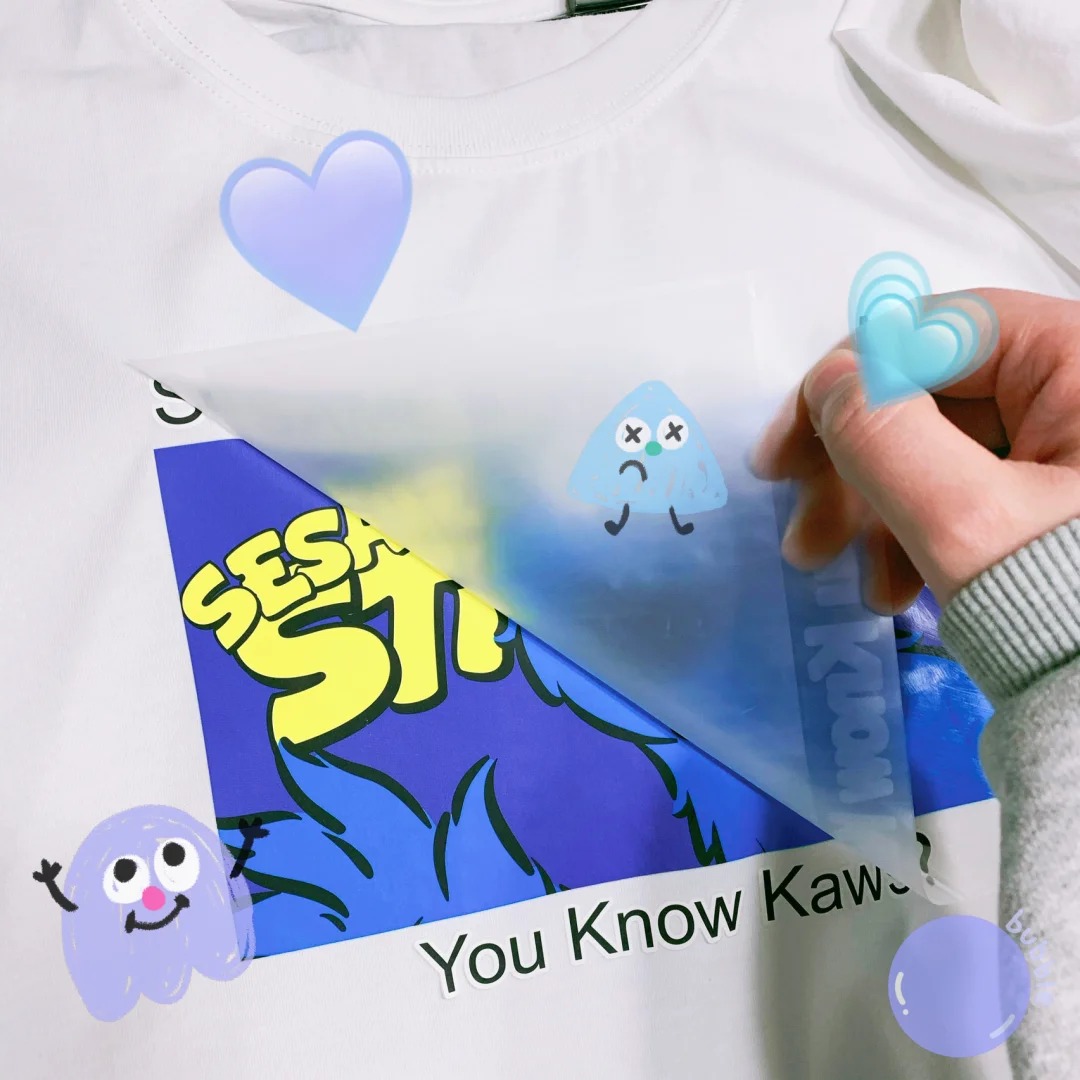
Heat transfer printing
Silicone Printing
Pros:
High elasticity, suitable for high-elasticity sportswear.
Soft to the touch with a three-dimensional feel.
Resistant to cracking and fading, highly durable.
Can achieve special 3D effects with a high-end texture.
Cons:
High cost, suitable for mid- to high-end products.
Complex process, low production efficiency.
Limited detail reproduction in patterns.
Poor breathability, not suitable for large-area patterns.
Recommended uses:
High-end sportswear, fashion brand logos, functional clothing printing.
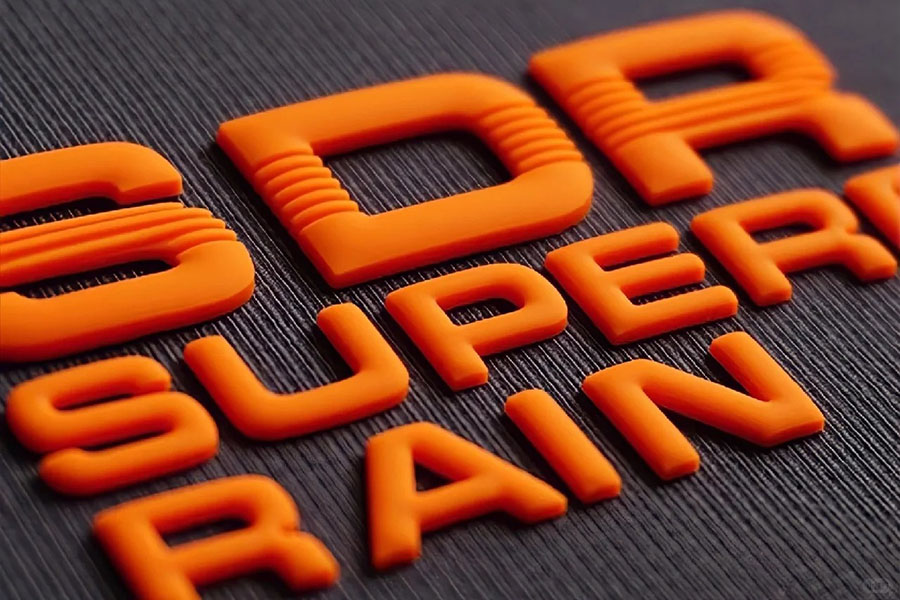
Silicone Printing
Puff printing
Pros:
Expands to create a three-dimensional effect with strong visual impact.
Suitable for letters and large patterns, with a strong trendy feel.
Handmade texture, suitable for street style and trendy brand designs.
Cons:
Patterns are not detailed, and edges are easily blurred.
Easily cracks or falls off after washing, with average durability.
Not suitable for detailed patterns or gradient images.
Not suitable for highly elastic fabrics.
Recommended uses:
Trendy hoodies, children’s clothing, personalized lettering and logo patterns.
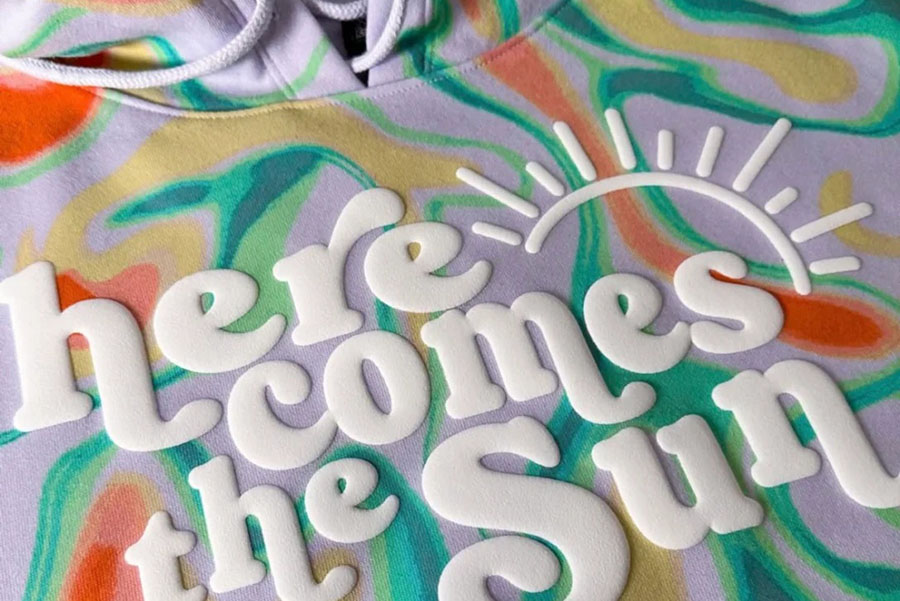
Hoodie with puff printing
Embroidery
Pros:
High-end texture, three-dimensional and full.
Not prone to fading or peeling, excellent durability.
Suitable for highly recognizable patterns such as brand logos and school emblems.
Cons:
High cost and long sample production cycle.
Limited pattern accuracy, difficult to achieve complex details.
Threads on the back, hard to the touch, average comfort.
Heavy, not suitable for light or elastic fabrics.
Recommended use:
Brand logos, hat embroidery, baseball uniforms, sweatshirts, front chest/cuff logos.
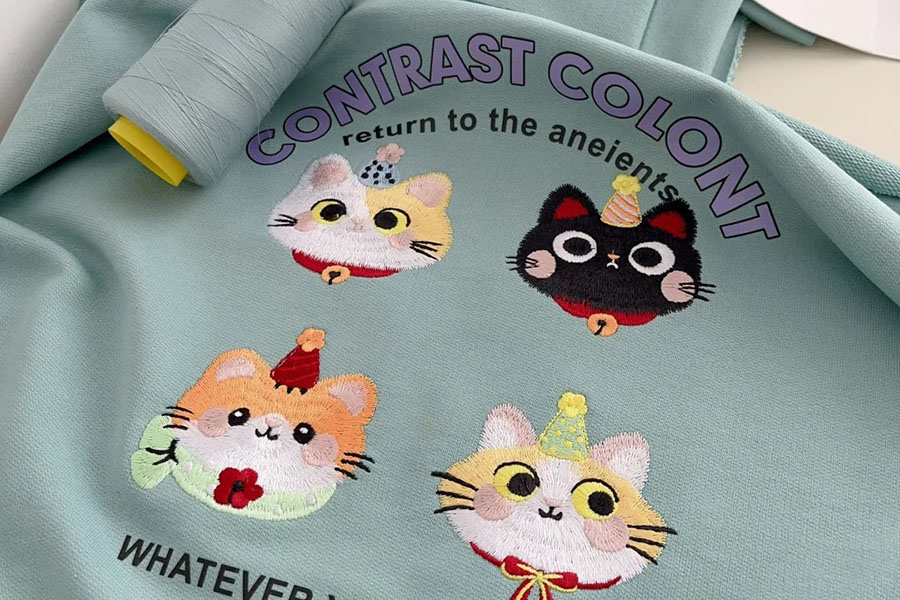
Hoodie embroidery print
Towel Embroidery
Pros:
Soft to the touch with a terry cloth feel.
Unique appearance with a strong three-dimensional effect, suitable for children’s clothing or trendy brands.
Visually appealing, suitable for coarse line patterns.
Cons:
Prone to shedding and pilling, with a high risk of deformation after washing.
Poor pattern expressiveness, not suitable for detailed patterns.
Complex process, low efficiency, and high cost.
Limited fabric compatibility, requiring thicker fabrics for support.
Recommended uses:
Baseball jerseys, trendy hoodies, children’s clothing logos, or lettering designs.
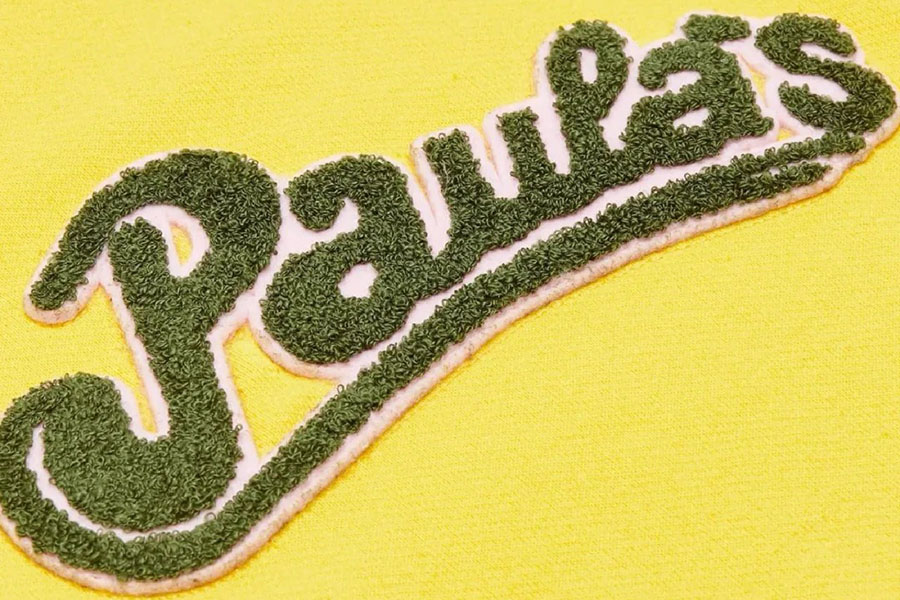
Towel Embroidery
Printing Techniques Performance Comparison
| Method | Cost | Detail Quality | Wash Durability | Breathability | Hand Feel | Efficiency | Recommended Uses |
|---|---|---|---|---|---|---|---|
| Screen Printing | ★ | ★★ | ★★★ | ★★ | ★★ | ★★★ | Bulk orders, logos, workwear |
| DTG (Direct to Garment) | ★★★ | ★★★★ | ★★ | ★★★★ | ★★★★ | ★ | Custom prints, photos, cotton T-shirts |
| Heat Transfer | ★★ | ★★★★ | ★ | ★ | ★ | ★ | Small runs, special placement prints |
| Silicone Printing | ★★★ | ★★ | ★★★ | ★ | ★★★ | ★ | Streetwear, sportswear, stretch fabrics |
| Puff Printing | ★★ | ★ | ★ | ★ | ★★ | ★ | Street style, hoodies, kidswear |
| Embroidery | ★★★ | ★★ | ★★★★ | ★★ | ★ | ★★ | Uniforms, caps, brand logos |
| Towel Embroidery | ★★★ | ★ | ★ | ★ | ★★★ | ★ | Varsity jackets, kidswear, fashion hoodies |