 MHQ Hoodies

Why Choose Hoodie Manufacturers in China?
As the world’s largest apparel manufacturing and exporting country, China has developed multiple specialized supply chains and industrial clusters in the sweatshirt and hoodie sector. Five major cities across the three core provinces of Guangdong, Fujian, and Shandong—Guangzhou, Dongguan, Zhongshan, Jinjiang, and Jimo—have each built distinct competitive advantages. Together, they form a globally competitive hoodie manufacturing ecosystem defined by fast turnaround, quality production, strong branding, advanced technology, and large-scale capacity.
Guangdong has an efficient and well-established apparel supply chain.
Guangdong is widely recognized as the leading hub of China’s fashion manufacturing industry. With one of the world’s most complete apparel supply chains, highly developed wholesale networks, and exceptional fast-turnaround production capabilities, the province dominates the hoodie and sweatshirt manufacturing sector. Within Guangdong, Guangzhou, Dongguan, and Zhongshan each play distinct yet complementary roles, forming a highly efficient regional manufacturing ecosystem.
Guangzhou is a hub for fast fashion innovation.
Guangzhou serves as the creative and operational center of China’s fast fashion industry. Supported by the massive Zhongda fabric market—one of the world’s largest textile sourcing hubs—and dense garment manufacturing clusters in Panyu and Zengcheng, the city has become closely associated with the ultra-fast supply chain model used by brands such as SHEIN.
Its greatest strength lies in combining strong design capabilities with highly flexible manufacturing. Factories in Guangzhou can rapidly develop samples, launch small trial orders, and scale up trending products within days. This “small-batch, fast-response” model makes Guangzhou an ideal sourcing destination for brands focused on trend-driven design, rapid product launches, and market testing.
Dongguan specializes in precision manufacturing and professional production.
Dongguan is known for its highly specialized manufacturing clusters and mature production management systems. Humen Town focuses on women’s and children’s sweatshirts, while Dalang Town is famous for knitwear manufacturing.
The city is home not only to large apparel companies such as YISHION Group, but also thousands of specialized suppliers covering every stage of production, from spinning and knitting to printing, embroidery, and garment assembly. This deep industrial specialization delivers outstanding production efficiency and consistent quality.
Dongguan’s core advantage lies in its strong large-scale manufacturing capacity and meticulous attention to garment construction, workmanship, and fit accuracy. For brands with strict quality control requirements and refined production standards, Dongguan is an ideal manufacturing partner.
Zhongshan combines traditional knitting techniques with smart manufacturing.
Centered around Shaxi Town, Zhongshan has long been one of China’s major casualwear manufacturing bases, especially for sweatshirts, T-shirts, and knitwear.
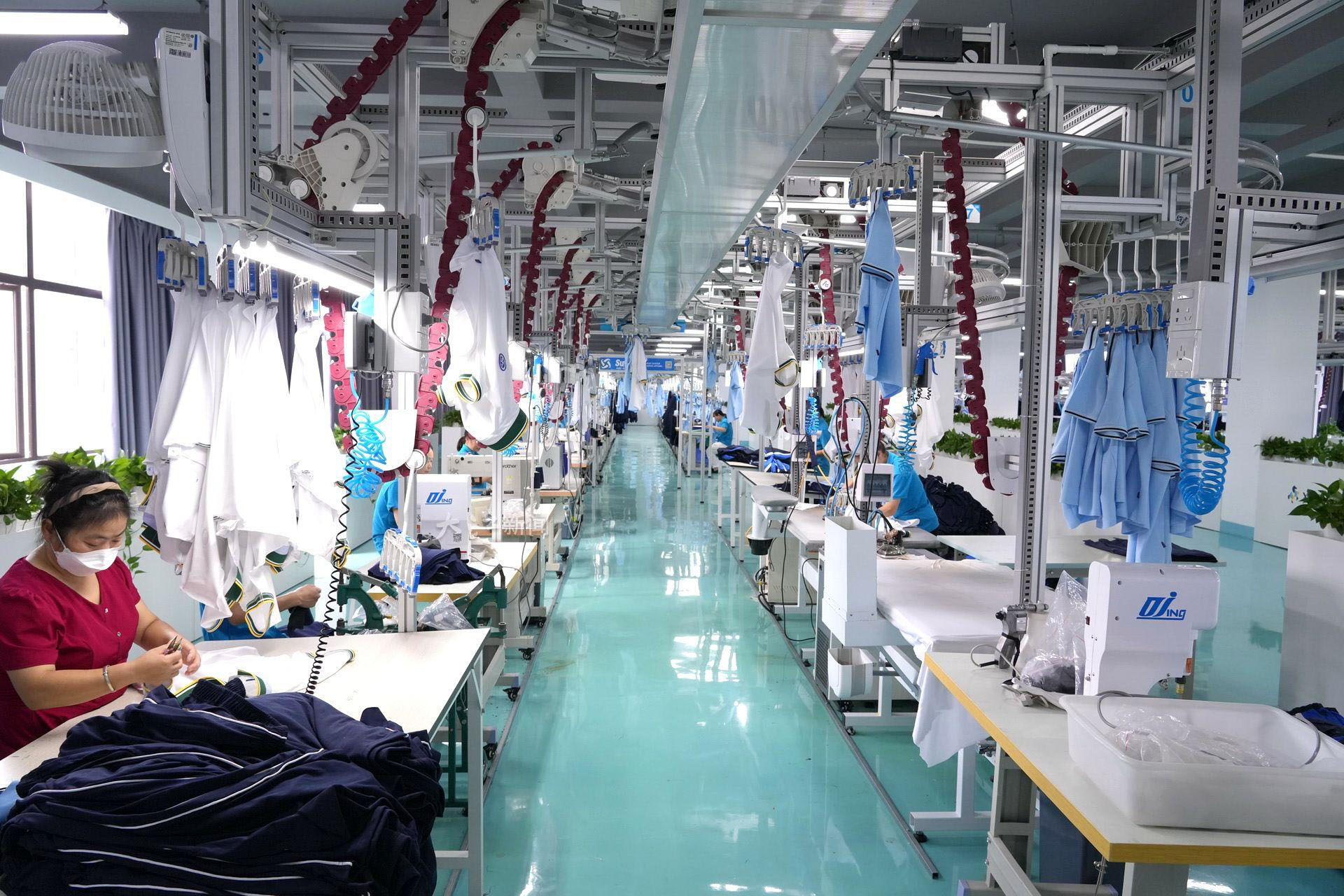
In recent years, the city has invested heavily in factory digitalization and smart manufacturing upgrades. Leading manufacturers have adopted advanced technologies such as 5G-based production management systems and automated hanging assembly lines to improve transparency, efficiency, and delivery performance.
Zhongshan stands out for successfully balancing traditional craftsmanship with modern manufacturing technology. The region maintains deep expertise in knitwear production while continuing to develop advanced smart factory capabilities, making it a reliable choice for buyers seeking both high product quality and stable delivery schedules.
Jinjiang, Fujian, is a hub for innovation in functional and athletic apparel
Located in Fujian Province, Jinjiang has become one of China’s most influential sportswear manufacturing centers. Supported by major domestic sports brands such as ANTA, Xtep, 361 Degrees, and Qiaodan Sports, the city has built strong competitiveness in high-performance hoodies, athletic sweatshirts, and functional apparel.
Unlike Guangdong, which is known for speed and manufacturing flexibility, Jinjiang’s strengths lie in technology, product development, and brand-driven manufacturing.
Advanced Fabric Technology and Functional Innovation
Local manufacturers place strong emphasis on R&D and technical innovation. Many companies operate national-level laboratories and textile research centers focused on functional fabrics and sportswear engineering.
Jinjiang is especially strong in performance materials, including moisture-wicking fabrics, antibacterial treatments, heat-reflective textiles, and aerogel insulation technologies. These innovations allow manufacturers to transform basic hoodies and sweatshirts into high-value functional products for sports, outdoor, and athleisure markets.
Strong Brand Manufacturing Ecosystem
One of Jinjiang’s key advantages is its mature brand ecosystem. In addition to large-scale production capabilities, the region has extensive experience in brand licensing, co-branded product development, retail distribution, and sportswear merchandising systems.
This brand-oriented manufacturing environment creates more stable long-term orders and enables factories to participate in higher-value projects beyond traditional OEM production.
Fully Integrated Sportswear Supply Chain
Jinjiang has developed a highly integrated sportswear supply chain covering apparel, footwear, trims, accessories, and packaging. Manufacturers are particularly experienced in coordinated product development for complete collections, including matching hoodies, sweatpants, sports jackets, and full athletic apparel lines.
For brands seeking functional apparel, premium sports hoodies, or high-margin activewear products, Jinjiang remains one of China’s most important sourcing hubs.
Jimo, Qingdao, is China’s rapidly emerging hub for e-commerce hoodie production.
Located in Qingdao, Jimo has rapidly emerged as one of China’s most dynamic apparel manufacturing regions, driven by the explosive growth of livestream e-commerce and online retail platforms. Its production model is built almost entirely around the needs of e-commerce sellers, making it a major sourcing hub for trend-driven hoodies and sweatshirts.
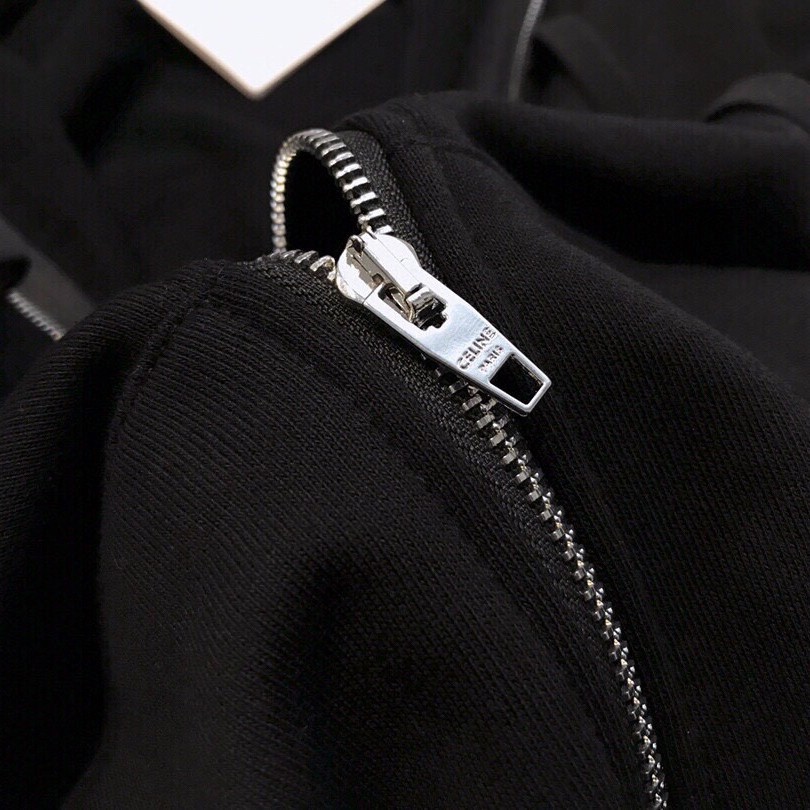
Zip-up hoodies manufactured in Jimo
“Factory-to-Livestream” Supply Chain Model
Backed by the strong wholesale foundation of the Jimo garment market, local factories specialize in fast replenishment, ready-stock supply, and drop-shipping services.
Many manufacturers operate under a “livestream front-end, factory back-end” model, allowing online sellers and KOLs to access real-time inventory and achieve extremely short fulfillment cycles. This system effectively addresses one of the biggest challenges in livestream commerce: rapidly scaling production when a product suddenly becomes a viral bestseller.
Cost Advantages Through Large-Scale Production
Factories in Jimo are highly optimized for production efficiency and competitive pricing. By simplifying garment construction, standardizing sizing systems, and purchasing common fabrics in bulk, manufacturers are able to maintain acceptable quality standards while keeping production costs extremely low.
This makes Jimo an ideal sourcing base for entry-level hoodies, promotional apparel, viral online products, flash-sale items, and large-volume value-focused collections.
Support from Major Knitwear Enterprises and Smart Manufacturing
The region also benefits from the presence of major industry players such as Jifa Group and Kutesmart.
Jifa Group is known for its expertise in large-scale knitwear manufacturing, while Kutesmart has gained industry recognition for its C2M (Customer-to-Manufacturer) production model and flexible customization systems. Together, these companies strengthen Jimo’s capabilities in both mass production and small-batch personalized manufacturing.
For businesses focused on livestream commerce, value-driven e-commerce apparel, or fast-moving platforms such as Temu and TikTok, Jimo has become one of China’s most competitive sourcing destinations.
The above provides an overview of hoodie production in China and lists the best 10 manufacturers.
Preparations Before Searching for a Manufacturer
Before approaching a hoodie manufacturer, one of the most important things you can prepare is a professional Tech Pack. A well-structured Tech Pack ensures accurate pricing, reduces production mistakes, and gives factories clear technical instructions instead of vague design ideas.
Think of it as the blueprint for your product. It translates your concept into production-ready specifications that pattern makers, sourcing teams, and sewing lines can actually execute.
Below are the three most critical sections every hoodie Tech Pack should include: design sketches, size specifications, and fabric details.
Design Sketches: Turn Ideas Into Production Instructions
The purpose of a design sketch is not artistic presentation — it is technical clarity. Every detail should be easy for the factory to understand without assumptions.
Flat Sketches
The ideal format is a front and back flat sketch created in software such as Adobe Illustrator or CorelDRAW. These technical drawings should reflect realistic garment proportions and construction details.
If you are unable to create digital sketches, a clean hand-drawn sketch can still work during the early development stage. However, the factory’s pattern maker will usually need to refine the details before sampling begins.
Construction Details to Mark Clearly
Each garment component should be labeled directly on the sketch with corresponding production notes. Typical examples include:
Hood eyelets: material, finish, and color
Center hood seam: fabric grain direction or print alignment requirements
Cuffs and waistband: rib width, rib structure, and stitching method
Pocket type: kangaroo pocket, zipper pocket, hidden pocket, etc.
Pocket fabric: lining material and GSM
The more precise the annotations are, the fewer production misunderstandings will occur later.
BOM (Bill of Materials) and Technical Notes
Your Tech Pack should also include written construction specifications for every major component.
Sewing Specifications
Define:
Stitch type (single needle, overlock, coverstitch, chain stitch)
Stitch density (for example: 13 stitches per 3 cm)
Reinforcement requirements such as bartacks
Seam finishing methods
Printing and Embroidery Details
Specify:
Screen printing, puff print, discharge print, DTG, heat transfer, embroidery, etc.
Pantone color references
Embroidery thread specifications
Different print methods create very different results:
Plastisol prints are durable but heavier and less breathable
Water-based prints feel softer but work best on lighter fabrics
Discharge printing creates a vintage effect but increases production cost
Trims and Accessories
Include detailed specifications for:
Zippers (brand, tooth type, closed-end or open-end)
Drawcord materials and metal tips
Main labels and care labels
Tear-away labels if required
Size Charts: Control Fit and Consistency
Factories rely on your size chart to create patterns and grading rules. A hoodie can fit very differently depending on whether it is slim fit, regular fit, dropped shoulder, or oversized.
At minimum, you should provide a complete measurement spec for one reference size — usually size Medium — along with measurement tolerances.
Essential Hoodie Measurements
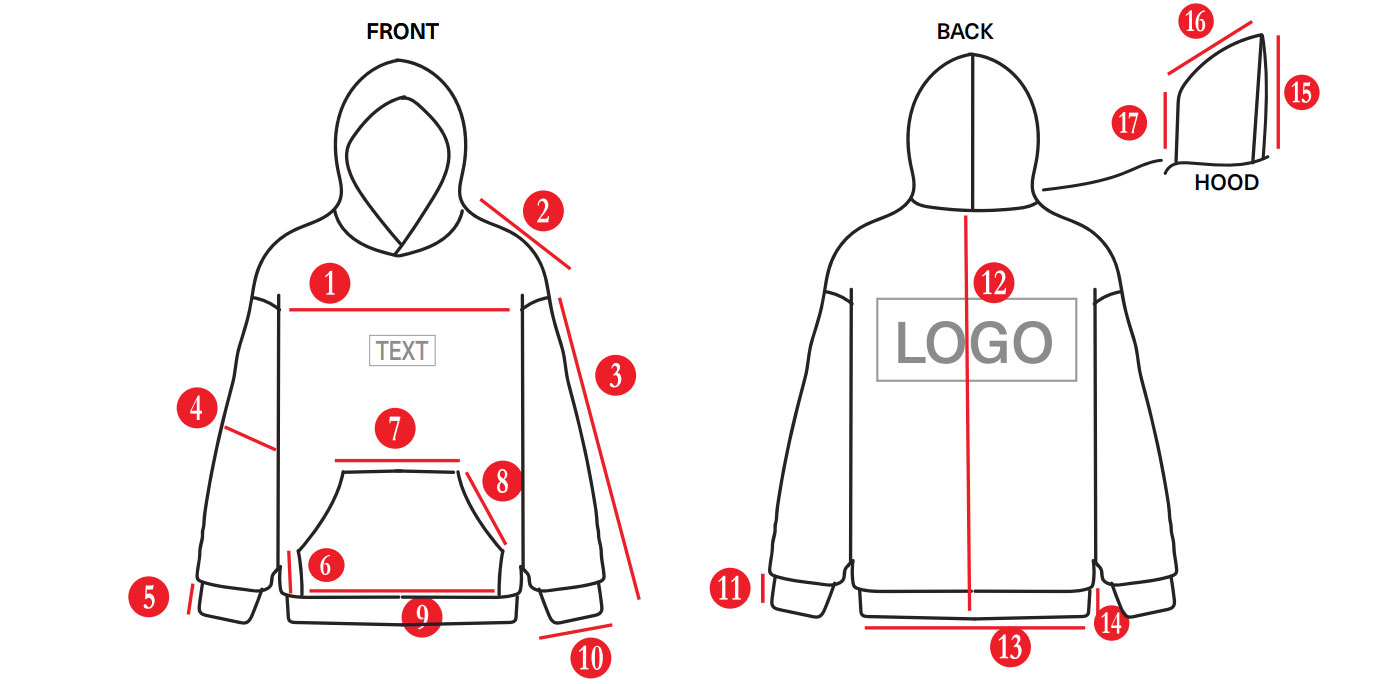
A standard hoodie size chart usually includes:
| POM | DESCRIPTION | 6(XS) | 8(S) | 10(M) | 12(L) | 14(XL) | 16(2XL) | 18(3XL) | 20(4XL) | 22(5XL) |
| 1 | chest | 53 | 55.5 | 58 | 60.5 | 63 | 65.5 | 68 | 70.5 | 73 |
| 2 | shoulder | 20 | 21 | 22 | 23 | 24 | 25 | 26 | 27 | 28 |
| 3 | sleeve (excluding length of cuff) | 50 | 51 | 52 | 53 | 54 | 55 | 56 | 57 | 58 |
| 4 | sleeve width | 20.7 | 21.35 | 22 | 22.65 | 23.3 | 23.95 | 24.6 | 25.25 | 25.9 |
| 5 | cuff width | 6 | 6 | 6 | 6 | 6 | 6 | 6 | 6 | 6 |
| 6 | side of pocket | 9 | 9.5 | 10 | 10.5 | 11 | 11.5 | 12 | 12.5 | 13 |
| 7 | top of pocket | 28 | 28 | 28 | 30 | 30 | 30 | 32 | 32 | 32 |
| 8 | angle side of pocket | 14 | 14 | 15 | 15 | 16 | 16 | 17 | 17 | 18 |
| 9 | bottom of pocket | 30 | 30 | 30 | 32 | 32 | 32 | 34 | 34 | 34 |
| 10 | sleeve cuff length | 7 | 8 | 9 | 10 | 11 | 12 | 13 | 14 | 15 |
| 11 | sleeve cuff width | 6 | 6 | 6 | 6 | 6 | 6 | 6 | 6 | 6 |
| 12 | full length(minus hood, from top of shoulder to hem) | 59 | 60 | 63 | 62 | 63 | 64 | 65 | 66 | 67 |
| 13 | length of bottom cuff | 42 | 44.5 | 47 | 49.5 | 52 | 54.5 | 57 | 59.5 | 62 |
| 14 | width of bottom cuff | 6 | 6 | 6 | 6 | 6 | 6 | 6 | 6 | 6 |
| 15 | front of hood length | 36.6 | 37.3 | 38 | 38.7 | 39.4 | 40.1 | 40.8 | 41.5 | 42.2 |
| 16 | width of hood | 18.4 | 19.2 | 20 | 20.8 | 21.6 | 22.4 | 23.2 | 24 | 24.8 |
| 17 | back length of hood | 22.7 | 23.7 | 24.7 | 25.7 | 26.7 | 27.7 | 28.7 | 29.7 | 30.7 |
Commonly Overlooked Details
Measurement Diagram
Always include a measurement guide image showing exactly where measurements start and end. This is one of the simplest ways to avoid disputes during production.
Tolerance Standards
Fabric stretch and manual measurement variations are normal in garment manufacturing. Define acceptable tolerances clearly, such as:
Measurement tolerance: ±1.5 cm
Shrinkage and Washed Measurements
For cotton or high-cotton fabrics, specify whether measurements apply before or after washing. You should also define shrinkage requirements, for example:
Maximum shrinkage rate: ≤5%
This is especially important for fleece hoodies and heavyweight cotton garments.
Fabric selection is a key factor in the cost of hoodies
Fabric weight (GSM — grams per square meter) directly affects the hoodie’s structure, warmth, drape, and production cost.
Common Hoodie GSM Ranges
180–220 GSM
Lightweight fabric similar to a long-sleeve T-shirt. Suitable for layering or mild weather.
240–280 GSM
Standard lightweight sweatshirt fabric for spring and autumn styles.
300–350 GSM
The most commonly used hoodie weight. Provides better structure, durability, and a premium oversized fit.
380–420+ GSM
Heavyweight fleece fabric with strong silhouette and premium hand feel. However, extremely heavy fabrics can reduce flexibility and wearing comfort if not balanced correctly.
Fabric Composition Matters More Than GSM
CVC Cotton/Polyester Blends
Example: 80% cotton / 20% polyester
This is one of the most recommended hoodie fabric structures because it balances comfort, durability, shape retention, and reduced shrinkage.
100% Cotton
Soft and breathable, but more prone to:
Shrinkage
Wrinkling
Fading after washing
If using 100% cotton, pre-shrinking treatment should always be requested.
100% Polyester
Typically used in sportswear and performance apparel. Dries quickly but has lower moisture absorption and is less common for premium casual hoodies.
Fleece Structure Should Be Clearly Defined
Many buyers only specify GSM, but the internal fabric structure is equally important.
For example:
French Terry = loopback interior, better breathability
Brushed Fleece = soft brushed interior, better insulation
A typical specification may look like this:
Main Fabric: 320 GSM CVC fleece, 80% cotton / 20% polyester, single-side brushed interior
Rib: 1×1 spandex rib, 380 GSM
GSM tolerance: ±5%
You can also include compliance requirements such as:
OEKO-TEX Standard 100 certification
GB 18401 testing compliance
Practical Advice for First-Time Hoodie Brands
If you do not yet have a complete Tech Pack, start with these three steps:
Step 1: Use an Existing Hoodie as Your Reference
Find a hoodie with the exact fit and construction quality you want to replicate. Measure every detail carefully and take close-up photos of:
Seams
Ribbing
Labels
Fabric composition
Interior fleece structure
This reference sample gives factories a much clearer starting point.
Step 2: Build a Simple Specification Sheet
Use Excel, Google Sheets, or Word to organize:
Measurements
Fabric specs
Print details
Trim information
Even basic sketches are enough during the early stage if the measurements and notes are clear.
Step 3: Benchmark an Existing Brand or Style
Factories respond much faster when you provide a clear reference point.
For example:
“Use a fit similar to Champion Reverse Weave, but increase chest width by 2 cm.”
This is often more effective than providing measurements alone.
Final Recommendation: Always Approve a Pre-Production Sample
Before starting bulk production, request a full pre-production sample and test it personally.
You should:
Try it on
Wash it
Check shrinkage
Test zipper quality
Evaluate print durability
Inspect stitching consistency
Most production problems — including color fading, shrinkage, poor fit, or trim failures — will appear during this stage rather than after mass production has already started.
Choose a printing method for your hoodie
Choosing the right printing method for your hoodie collection is crucial. The printing or embroidery technique you select does more than just add a design; it also influences your product’s image, brand positioning, and perceived value.
Different printing methods result in vastly different visual styles, textures, durability, and production costs. Understanding these differences can help you avoid costly mistakes and build a more consistent brand image.
Below is a practical breakdown of the four most commonly used hoodie decoration methods and when each one works best.
Comparing the 4 Most Popular Hoodie Decoration Methods
| Method | Look & Feel | Best For | Cost Structure | Durability | Fabric Compatibility |
|---|---|---|---|---|---|
| Screen Printing | Smooth surface, strong color coverage | Logos, graphics, bold artwork | Lower cost at higher quantities | Very durable | Cotton and cotton blends |
| DTG (Direct-to-Garment) | Soft hand feel, breathable print | Photos, gradients, complex artwork | Higher cost per piece | Moderate | Best on high-cotton fabrics |
| Puff Print | Raised 3D texture | Streetwear logos and lettering | Mid-range cost | Durable | Medium to heavyweight cotton |
| Embroidery / Chenille | Premium textured appearance | Luxury branding, varsity styles | Higher setup and unit cost | Highest durability | Works best on heavyweight hoodies |
Screen Printing
Screen printing remains one of the most widely used hoodie decoration methods in the apparel industry. Each color in the artwork requires its own separate screen, allowing ink to be layered directly onto the garment.
Why Brands Choose Screen Printing
Cost-Effective for Bulk Orders
If your design uses only a few colors, screen printing becomes extremely affordable once production quantities increase. For brands ordering 100+ hoodies, the per-unit print cost drops significantly.
This is why most established streetwear and promotional apparel brands still rely heavily on screen printing.
Strong Color Vibrancy
Screen printing produces bold, opaque colors that work especially well on dark hoodies and heavyweight fleece fabrics.
Long-Term Durability
A properly cured screen print can last for years with minimal cracking or fading.
Limitations to Consider
Minimum Order Requirements
Because screens and ink setups require preparation time, most factories require minimum quantities — typically 50 to 100 pieces per design.
Reduced Breathability
Traditional plastisol inks create a slightly heavier print layer. Large solid graphics may feel less breathable during extended wear.
Limited Gradient Capability
Screen printing is ideal for bold graphics and logos, but less effective for highly detailed gradients or photographic artwork.
DTG (Direct-to-Garment) Printing
DTG printing works similarly to an industrial inkjet printer. The machine sprays water-based ink directly into the fabric fibers, creating soft and highly detailed prints.
Why DTG Is Popular for Startup Brands
No Minimum Order Quantity(MOQ)
You can produce a single sample or print garments one at a time as orders come in. This makes DTG especially useful for:
Small startup brands
Limited drops
Print-on-demand businesses
Market testing
Excellent Artwork Detail
DTG handles:
Photographic graphics
Complex illustrations
Gradients
Watercolor effects
Fine detail artwork
better than almost any other printing method.
Soft Hand Feel
Because the ink penetrates into the fabric rather than sitting heavily on top, the print feels softer and more breathable.
Important Limitations
Higher Cost Per Piece
DTG is significantly more expensive per unit than screen printing, especially at scale.
For low-volume production this is manageable, but once daily output increases, screen printing usually becomes more economical.
Dark Garment Challenges
On black or dark hoodies, DTG requires a white underbase layer before printing colors. This can slightly reduce softness and make colors less vibrant compared to traditional screen printing.
Fabric Restrictions
DTG performs best on garments with high cotton content, typically 70% cotton or higher. Results on polyester sportswear are usually weaker.
Puff Print — A Popular Choice for Modern Streetwear
Puff print is a specialized variation of screen printing. A foaming additive is mixed into the ink, causing the graphic to expand when heated.
The result is a raised, three-dimensional print with a soft rubber-like texture.
Why Puff Print Works So Well for Hoodies
Strong Streetwear Aesthetic
Puff print has become extremely popular in modern streetwear because the raised texture adds depth and visual impact.
It works particularly well for:
Bold typography
Vintage-inspired graphics
Graffiti-style artwork
Minimal logo placements
Creates a More Memorable Product
Consumers naturally want to touch textured graphics. This tactile quality helps products feel more premium and visually distinctive.
Production Limitations
Fine Details Can Blur
Very thin lines or highly detailed artwork may lose clarity after expansion.
Higher Cost Than Standard Screen Printing
Puff printing generally costs more than regular screen printing due to additional materials and processing steps.
Embroidery and Chenille
Embroidery uses thread rather than ink to create logos and graphics directly on the garment.
Chenille embroidery — commonly seen on varsity jackets — creates a thick towel-like texture with a vintage athletic appearance.
Why Premium Brands Use Embroidery
Instantly Higher Perceived Value
Embroidered logos usually feel more premium and durable than printed graphics. They create stronger visual texture and elevate the overall presentation of the garment.
Perfect Match for Heavyweight Hoodies
Heavy fleece hoodies provide enough structure to support embroidery without excessive fabric distortion.
This is why embroidery is commonly used on:
Premium streetwear
Collegiate apparel
Luxury basics
Vintage athletic collections
Things to Consider Before Choosing Embroidery
Higher Setup Costs
Embroidery requires digitizing artwork into machine-readable stitch files, which increases initial development costs.
Backside Comfort
The back of embroidered areas often includes stabilizer material that can feel rough against the skin. Higher-end garments sometimes add soft backing layers to improve comfort.
Small Text Limitations
Very small lettering or highly detailed graphics may lose clarity when stitched.
How to Choose the Right Decorative Technique for Your Brand
The best choice depends on your business model, target audience, and pricing strategy.
Choose Embroidery: You want to build a high-end brand image, with products positioned at a higher retail price point, featuring minimalist branding and high-quality basics.
Choose Screen Printing: You plan to scale up production, have a limited color palette for your designs, and want to reduce the cost per unit during mass production.
Choose DTG (Direct-to-Garment Printing): You are testing design concepts, need the flexibility of on-demand printing, and your designs include gradients or photos.
When to Choose Embossed Printing: Your brand is positioned as streetwear, you want to showcase textured patterns,
and your designs rely on bold typography; combining multiple techniques can yield better results.
Many successful brands combine different decoration techniques on a single hoodie.
For example:
Large front chest graphic: Screen printing or DTG
Small chest logo: Embroidery
Sleeve patch: Embossing
This layered approach enhances visual depth and elevates the product’s quality.
Important Production Tips
Avoid placing large embroidered or screen-printed designs directly on ribbed areas such as cuffs or hems.
Ribbed fabrics undergo continuous stretching during wear, which may result in: distorted prints, compromised embroidery tension, and reduced elasticity
Final Recommendations for First-Time Collaborating Brands
Before placing a bulk order, request that the manufacturer produce multiple sample versions using different finishing techniques on the same blank hoodie.
For example: one screen-printed sample and one embroidered sample.
Comparing these samples firsthand—including texture, weight, comfort, and wash performance—is far easier than evaluating them based solely on digital renderings.
Understanding MOQ, Pricing, and Prototyping at Chinese Factories
If you’re sourcing hoodies from China for the first time, it’s crucial to understand how factories calculate costs and set minimum order quantities (MOQs).
Many new brands assume that MOQ figures are arbitrary, but in reality, they are directly linked to production efficiency, fabric procurement, production preparation, and manufacturing risks. Once you understand the factory’s pricing mechanism, you’ll be better equipped to negotiate pragmatically and avoid additional costs resulting from misunderstandings.
Why Most Hoodie Factories Require an MOQ
MOQ (Minimum Order Quantity) refers to the smallest quantity a factory is willing to produce for one style and one color.
For hoodies, most Chinese manufacturers require:100–300 pieces per style per color .
This is not random. It is the point where production becomes economically viable.
Why Small Orders Are Expensive
Fabric Cutting Setup Costs
Whether a factory cuts 20 hoodies or 2,000 hoodies, the preparation process is almost the same:
Fabric spreading
Marker layout
Cutting preparation
Machine setup
Small orders still require the same labor and setup time, but those fixed costs are spread across fewer garments.
As a result, the cost per hoodie increases significantly on low-volume production.
Production Line Changeover Costs
Factories lose efficiency every time they switch from one product to another.
Changing styles requires:
Machine adjustments
Thread changes
Operator instruction
Trim replacement
Quality control recalibration
A production line may lose half a day or more during a style transition. If the order quantity is too small, the factory may not even recover the cost of the production interruption.
The MOQ for fabric is the biggest hidden factor.
Most factories do not purchase fabric “by the meter” for each individual customer order.
Fabric mills typically sell in whole rolls, by the batch (dyed in bulk), or by the kilogram.
For standard hoodie fabrics (such as 300gsm CVC fleece), the minimum order quantity alone is usually sufficient to produce approximately 200–300 hoodies.
If your order quantity falls below this level, the factory may: reject the order, or charge a fabric surcharge, use leftover stock, and significantly increase the price.
These are among the main reasons why hoodies have minimum order quantity requirements.
The Actual Breakdown of Hoodie Manufacturing Costs
Many buyers believe that factories set their prices arbitrarily. In reality, hoodie pricing follows a fairly standardized calculation formula.
Below is a breakdown of the main cost components
Fabric Costs
Fabric costs typically account for 50% to 65% of the total cost,
and fabric is usually the single largest cost item in hoodie manufacturing.
The calculation formula is generally:
(Fabric weight × Unit price of fabric) + Production waste
Fabric Weight
A standard heavyweight fleece hoodie typically requires: 0.65–0.85 kg of fabric
This depends on the size, cut, fabric construction, hood size, and pocket design.
Fabric Pricing
The price of a typical 320-gram CVC fleece varies based on factors such as cotton content, yarn quality, pile quality, certifications, and dyeing processes.
High-quality fabrics are significantly more expensive than standard blended fleece.
Fabric Waste: Cutting waste and fabric scraps typically add 8%–12% to the total fabric usage.
Pattern Development and Sample Production Costs
These are typically one-time development fees.
Pattern Making
The factory will create the base pattern, grading rules, and size conversion charts; costs depend on the complexity of the garment.
Sample Production
The cost of a single hoodie sample is typically higher than that of mass production for reasons including: the need for manual machine adjustments, lower labor efficiency, and smaller fabric purchase quantities.
Some factories will refund sample production costs upon receipt of a bulk order, while others will not; this usually depends on the order quantity.
Be sure to confirm this before production begins.
CMT Costs (Cutting, Sewing, and Finishing)
CMT refers to the labor-intensive aspects of the manufacturing process, including cutting, sewing, ironing, finishing, and packaging.
Pricing depends largely on the complexity of the design.
Typical Labor Cost Levels for Hoodies
Simple Hoodies: No prints, no zippers, minimal details; lower labor costs.
Standard Hoodies: Kangaroo pockets, ribbed cuffs, drawstrings, standard prints; moderate labor costs.
Complex Hoodies: Multi-panel construction, embroidered prints, high-quality YKK zippers, special sewing techniques; highest labor costs.
Trims and Accessories
Typical trim costs include main labels, care labels, hangtags, drawstrings, zippers, plastic bags, and cardboard boxes. Although the cost of each item may seem low, trims typically account for 5%–10% of the total garment cost.
Printing and Embroidery Costs
Printing prices depend on size, print location, number of colors, design complexity, and print quantity.
General cost ranking:
Screen printing is the most economical for large-volume production;
Direct-to-garment (DTG) printing has the highest cost per unit;
Embossing offers a moderate price point;
Embroidery is suitable for high-end options;
Embroidery also includes digitization/setup fees prior to production.
Factory Profit Margins and Additional Costs
Factories typically operate with an operating profit margin of 15%–30%, depending on order size, the stability of the partnership,
and the complexity of production, among other factors.
Example: Estimated Cost of a Standard Hoodie
Production Example: An order of 300 pieces, one color, using standard CVC fleece fabric, with a single-color screen-printed logo on the chest and no zipper.
A typical factory pricing structure may include: fabric costs, labor costs, printing costs, trimmings costs, development fees, and factory overhead.
The price of this type of hoodie is typically suitable for mid-range and high-end streetwear brands.
Questions regarding hoodie samples and bulk orders.
Prototyping is not a one-step process. Most professional hoodie development projects go through multiple prototyping stages before mass production.
Each stage serves a different purpose.
Stage 1: Prototype Samples
The goal of this stage is to evaluate the overall fit, check the fabric’s hand feel, and review the silhouette and proportions.
At this stage, you should focus on the design and pattern, as well as the fabric type. There is no need to obsess over perfect embroidery or final print details; the primary objective is to confirm the garment’s overall design concept.
Stage 2: Fitting Samples / Size Set
The goal of this stage is to finalize the dimensions for all sizes. The factory should provide fitting samples in S, M, L, and XL wherever possible.
You should try on all sizes to test mobility and comfort, measure shrinkage after washing, and confirm the proportions of the sleeves and hood. A common mistake made by many new brands is testing only one size.
In hoodie production, correct proportions across sizes are critical.
Stage 3: Pre-Production Samples (PPS)
This is the most critical approval stage before mass production.
PPS samples should use the same fabric, trims, printing techniques, embroidery techniques, and labels as the production run; all aspects must fully comply with mass production standards.
You should carefully inspect the following: color consistency, dyeing accuracy, color deviation, fabric matching, print quality, logo placement, fabric texture, durability, and embroidery quality.
In terms of workmanship, check stitch density, loose threads, lining material, seam consistency, and pocket symmetry.
Important Recommendations
Take photos of the PPS samples under natural light and use them as a reference standard for production.
Professional factories will also set aside fabric from the same batch to minimize color variation during mass production.
Stage 4: Sample and Batch Inspection
Even after passing PPS approval, production issues may still arise during mass production.
Factories typically provide random production samples, photos of in-line quality inspections, and videos of packaging inspections. Many brands also hire third-party inspection companies to conduct inspections before shipment. This additional inspection step can help prevent inventory issues down the line.
Stage 5: Most Common Communication Mistakes Made by New Buyers
Failure to specify size tolerances: Each garment may have slight dimensional variations. If you do not specify size tolerances, the factory may apply their own standards.
Be sure to specify: Size tolerance: ±1.5 cm. This can prevent many quality disputes later on.
Avoid using vague color descriptions such as “navy,” “beige,” or “off-white,” as different people may interpret these colors completely differently.
Be sure to provide: Pantone color swatches, physical color swatches, and the lighting conditions used for color confirmation. This is particularly important for fleece fabrics.
Simply stating the weight (GSM) without providing the fabric composition—such as “320 GSM hoodie fabric”—is insufficient. 320 GSM could refer to 100% cotton fleece, CVC blend fleece, polyester fleece, French terry, brushed fleece, and so on—all of which have different hand feels and performance characteristics.
A more accurate specification would be as follows: 320 GSM 80/20 CVC brushed fleece, cotton face, brushed back.
The more detailed your technical package is, the fewer issues you will encounter during production.
Our Client Case Studies
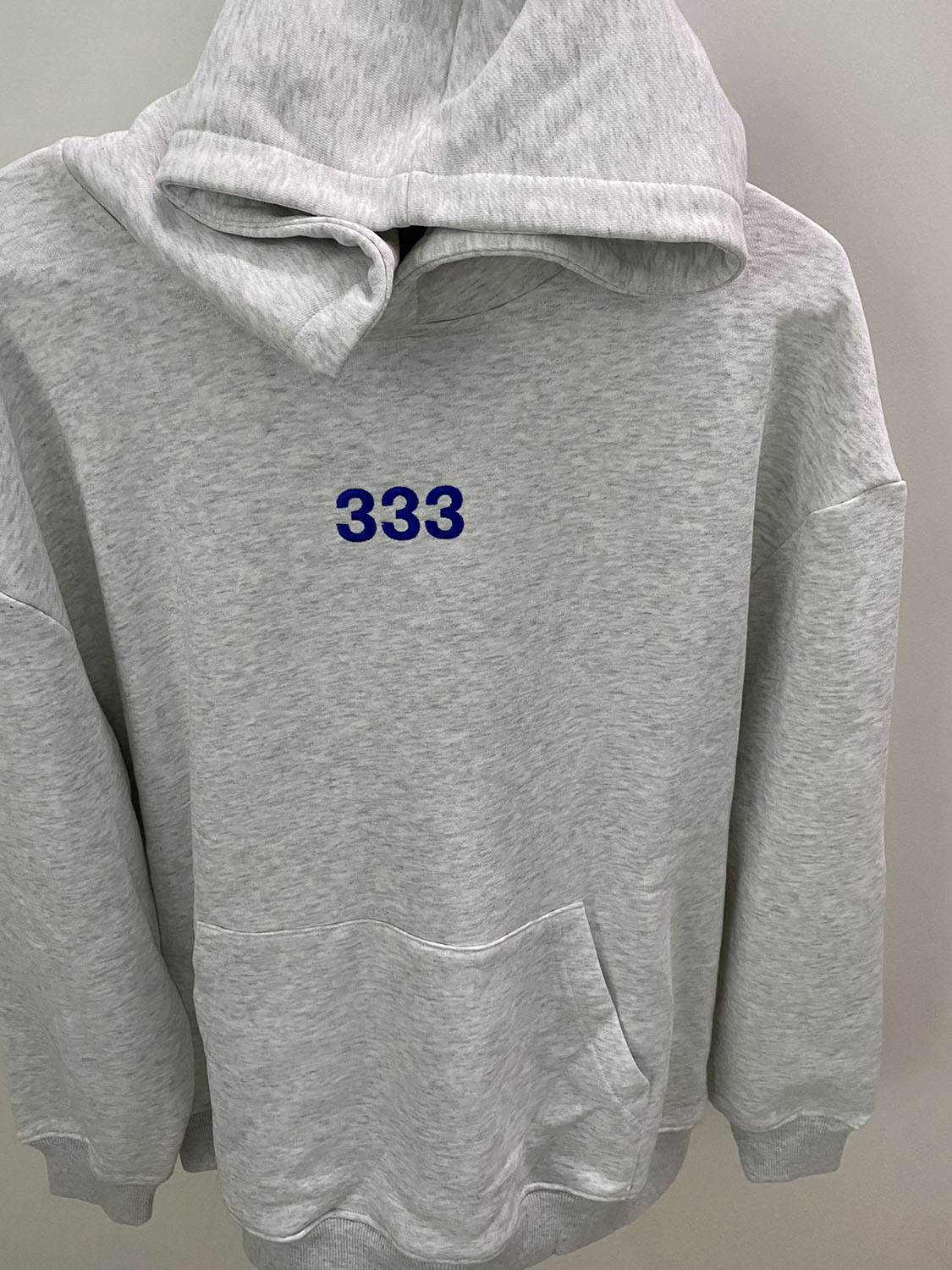
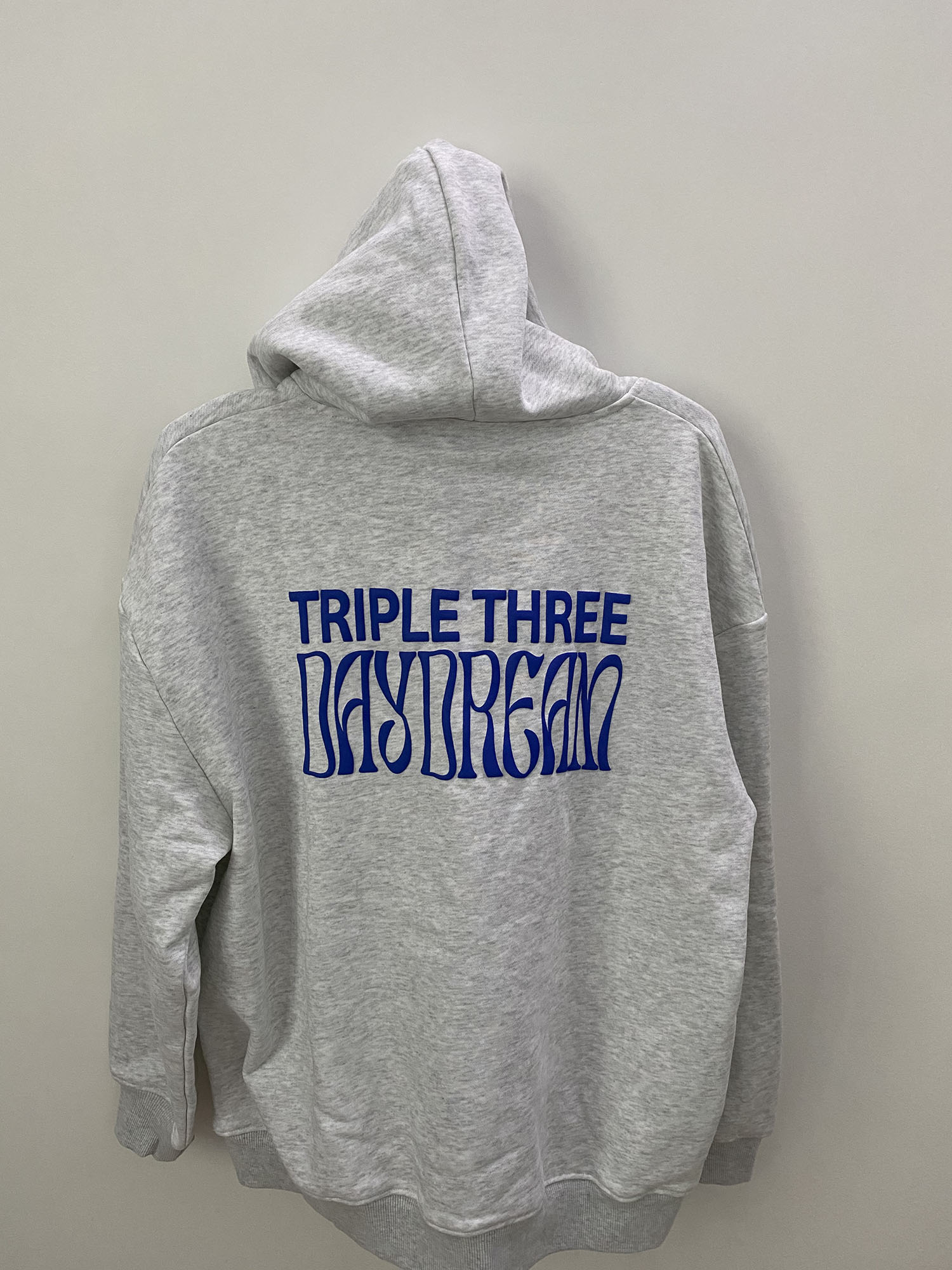
Custom Hoodie Sets for Australia Client
Ines, a client from Australia and a staunch environmentalist, is raising funds for environmental projects through a clothing initiative. She found us through our website and commissioned us to create a custom hoodie set.
The project took 6 months from start to delivery of the bulk order, with an order quantity of 100 sets.
The hoodie set is custom-made from high-quality 100% cotton, 400 GSM brushed French terry fabric.
Printing: Embroidery on the front chest and puff print on the back.
Custom Washed Hoodies for a U.S. Client
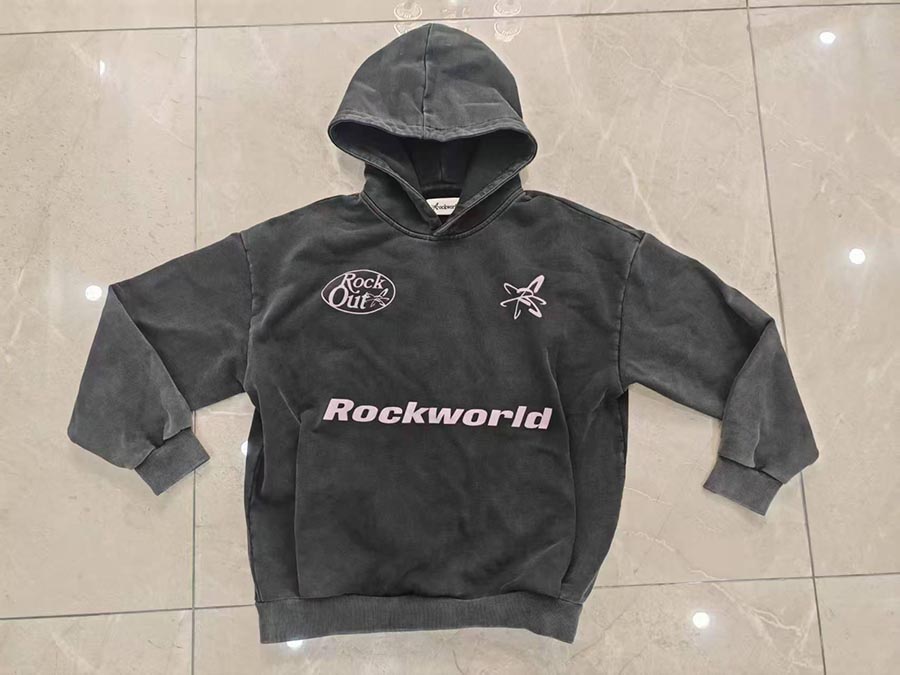
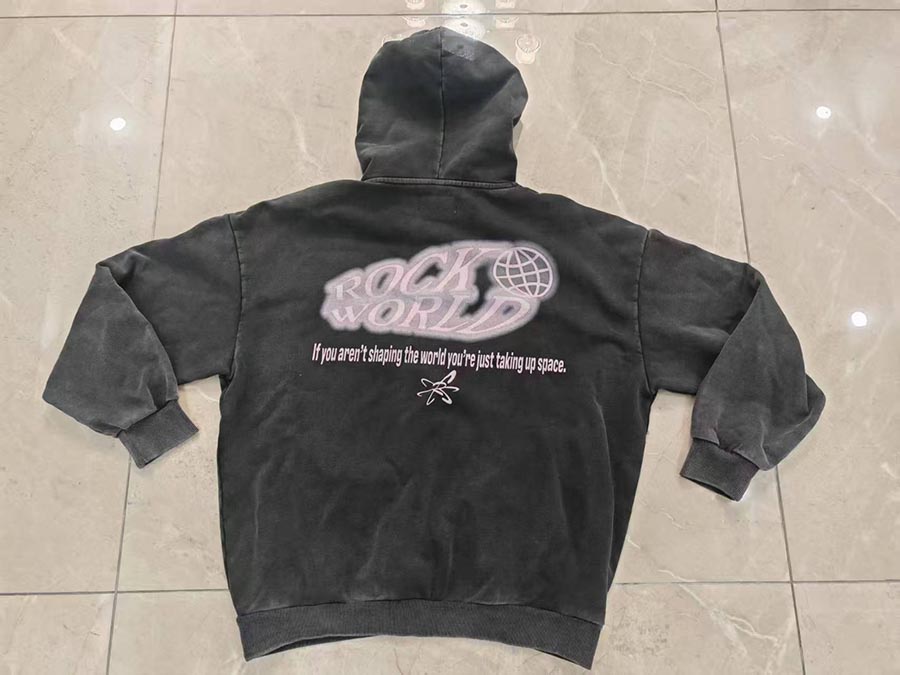
Custom-made Washed Hoodies for a U.S. Client
We produced custom washed hoodies for our client Joshua in New York, USA. Joshua has launched his own clothing brand. The hoodies are made from 380 GSM French terry fabric (80% cotton, 20% polyester) in a washed black finish.
We also customized neck labels and hangtags for the client, along with matte transparent PP packaging bags.
We made multiple adjustments to the hoodie’s cut, sizing, and print throughout the process, ultimately ensuring the client’s complete satisfaction.
The entire process, from project initiation to full delivery of the bulk order, took four months.
Want to get a free quote for your design? Contact our project manager today!