 MHQ Hoodies

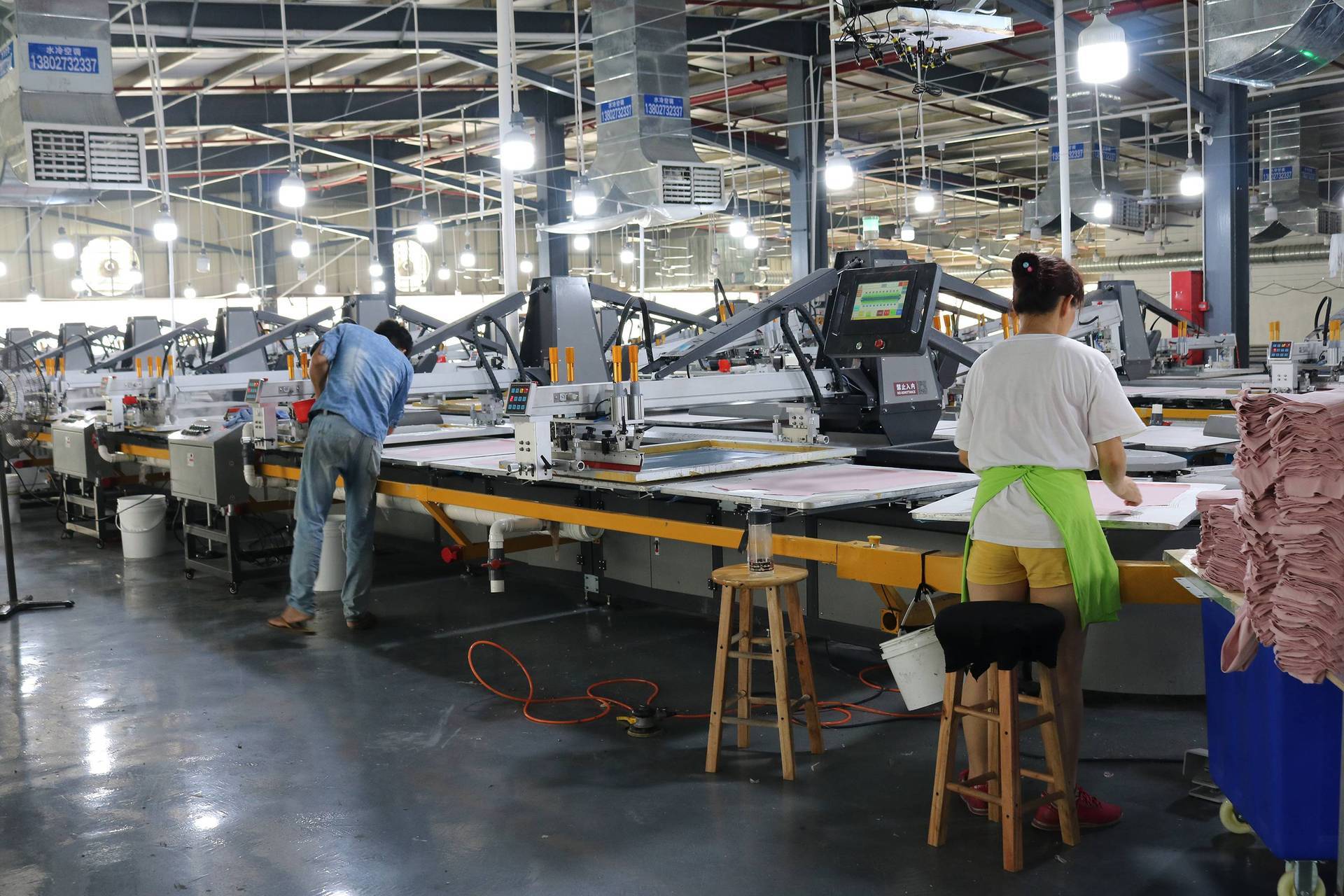
As a Chinese clothing manufacturer, we can handle bulk clothing orders with low MOQ. Located in Guangdong, China—home to the most comprehensive apparel supply chain—we handle everything from fabrics and trims to printing, hangtags, and packaging. This enables us to meet the needs of small businesses for rapid product launches and flexible inventory management.
The customers and businesses we serve
Our low-MOQ clothing manufacturing model is primarily designed for new brands, corporate uniforms, and small e-commerce sellers. For startup clothing brands, small-batch production allows them to launch products quickly and validate market feedback without tying up inventory; for sellers needing to conduct small-batch testing, low MOQs enable the simultaneous testing of multiple styles and SKUs, thereby helping them identify best-sellers more accurately; For e-commerce sellers operating on platforms such as Shopify, Amazon, and TikTok, this flexible production model better aligns with their fast-paced business cycles, reducing financial pressure while improving market responsiveness.
Different MOQ requirements for clothing
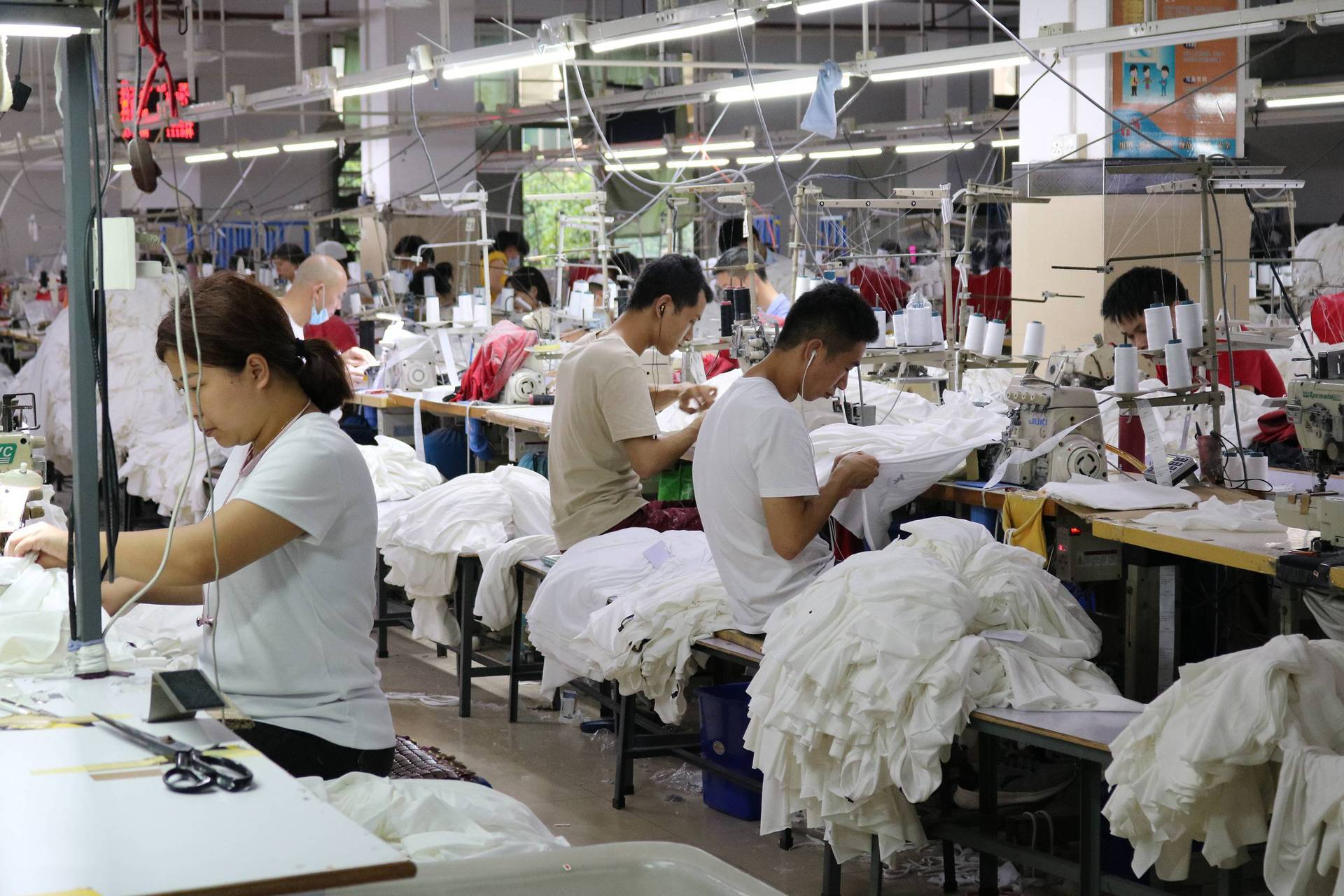
Our different products have different MOQs. Generally speaking, the typical range is around 50 pieces per color and design, or 100 pieces per style, and these quantities usually include 6–8 sizes.
Due to their relatively simple fabric and manufacturing processes, T-shirts often have lower MOQs (50 pieces per color and design); whereas hoodies and jackets, which involve more complex structural design, trims, and craftsmanship, typically have higher MOQs (80–100 pieces per color and design).
| Product Type | MOQ |
|---|---|
| T-shirts | 50–100 pcs |
| Hoodies | 80– 100 pcs |
| Jackets | 50 –100 pcs |
| Activewear | 100 pcs |
| Custom Streetwear | 50–100 pcs |
Customization Options
For fabrics, we offer a variety of options, including 100% cotton, polyester, or fleece, depending on your target market. Hoodie fabric weights range from 300 to 500 GSM. T-shirt fabric weights range from 160–250 GSM; available printing methods include screen printing, puff printing, embroidery, embossing, digital printing, and silicone printing, capable of meeting the printing needs of various fabrics; We also offer comprehensive private label services, including the custom design and production of hangtags and care labels, ensuring that even small-batch orders can feature complete packaging and brand branding.
Fabric Type
The type of fabric not only directly affects the product’s feel and functionality, but also significantly impacts cost, MOQ, and production feasibility.
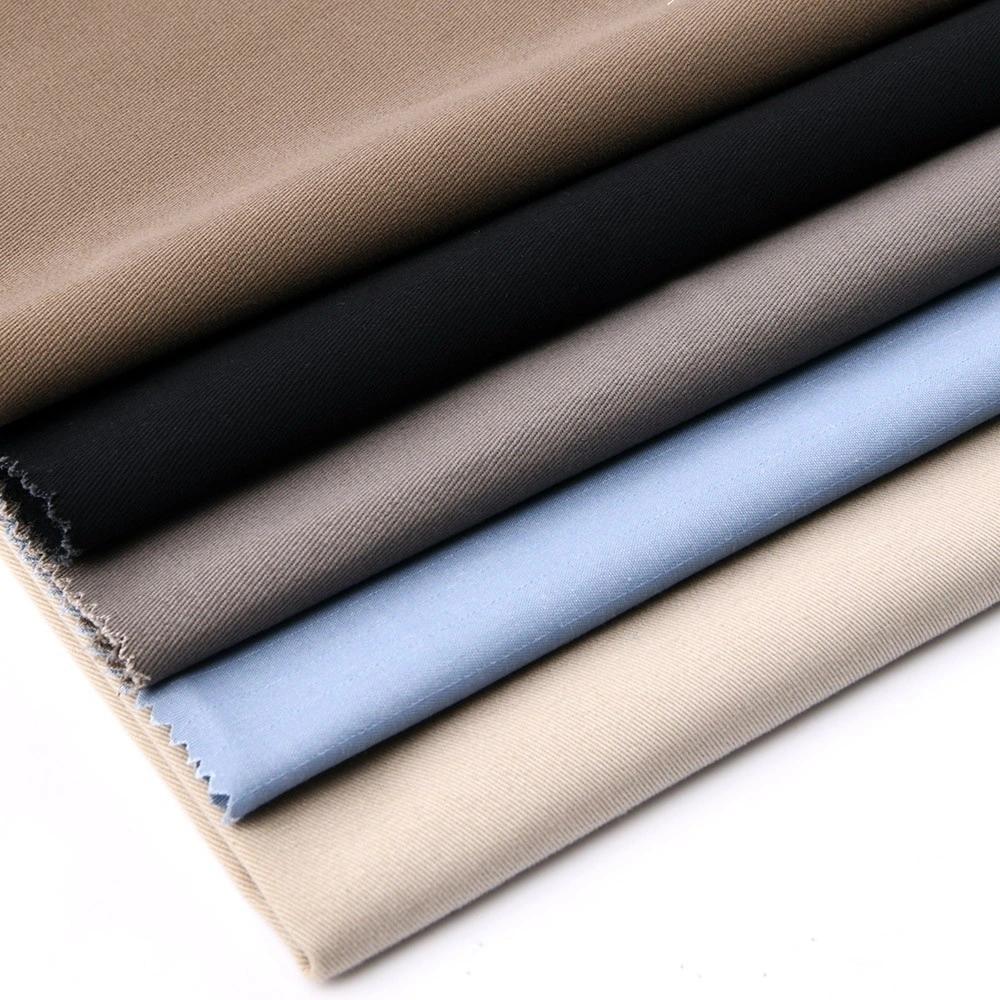
100% cotton is the most common and widely used basic fabric. It offers excellent breathability and is gentle on the skin, making it ideal for products such as T-shirts and sweatshirts. Depending on the manufacturing process, it can be further categorized into combed cotton, pure cotton knit, French terry, and fleece. For small orders, the advantages of all-cotton fabrics include stable supply, a wide selection of in-stock options, and controllable fabric costs, typically allowing for lower MOQs and faster lead times.
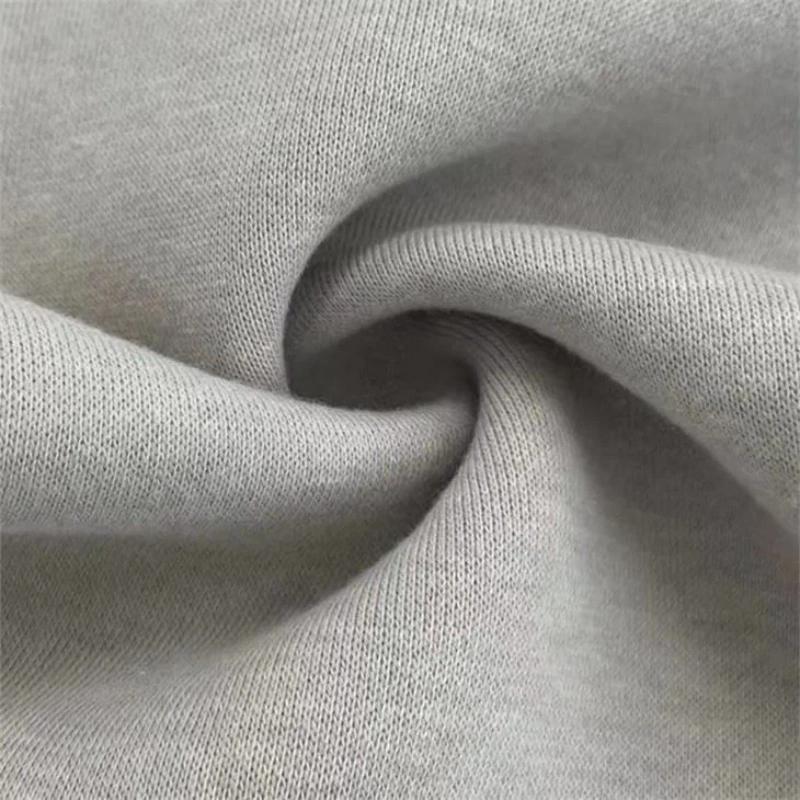
Fleece is commonly used in fall and winter apparel, such as hoodies and tracksuits, and is known for its excellent warmth and soft texture. Common types include brushed fleece and polar fleece. We maintain ample stock of basic fleece fabrics in a wide range of colors, enabling us to fulfill orders quickly.
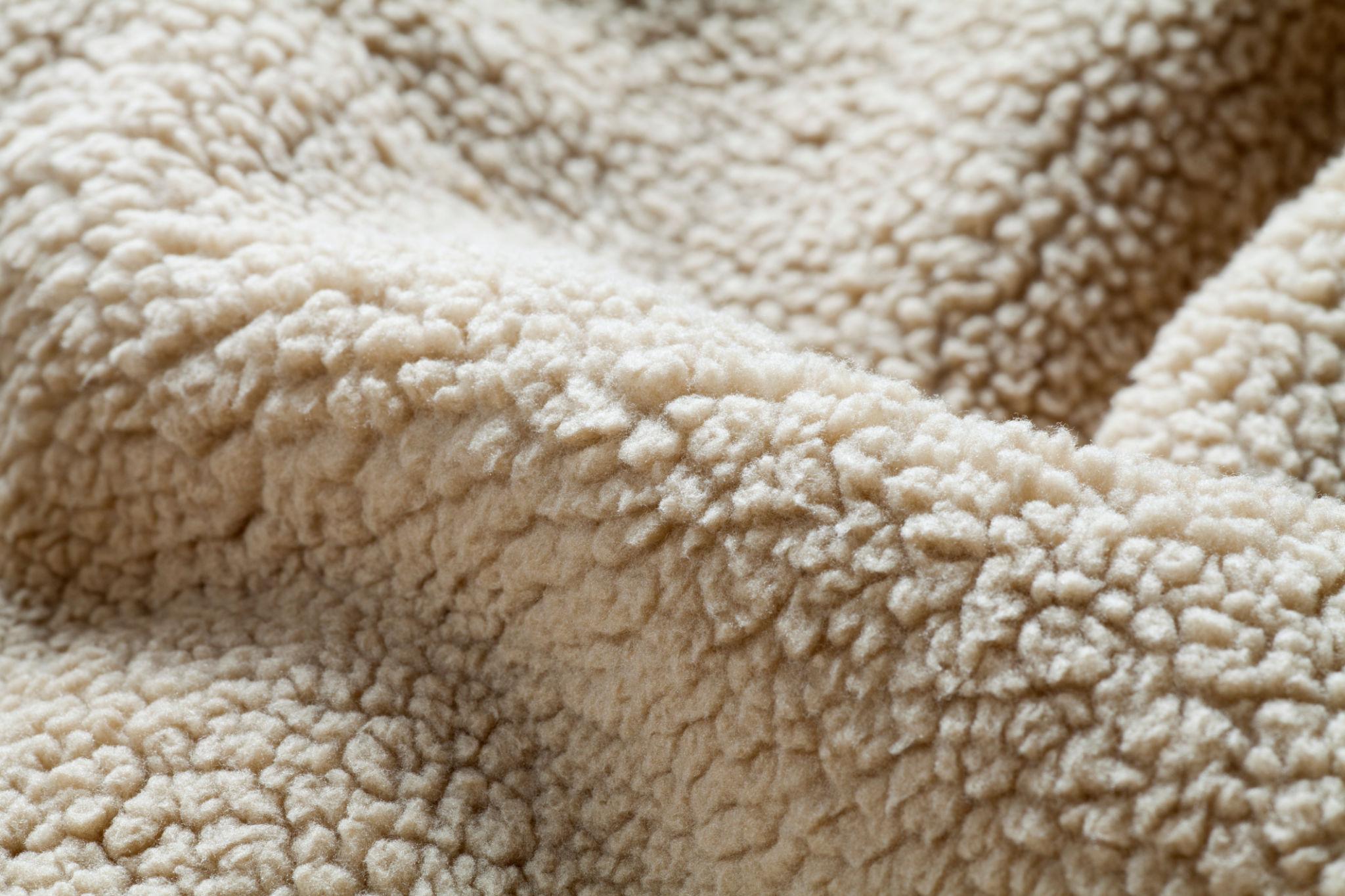
Blended fabrics (such as CVC, which has a high cotton content, and TC, which has a high polyester content) combine the advantages of cotton and polyester, striking a balance between comfort, durability, and cost. These fabrics are widely used in mass production and are suitable for a variety of garment types. Due to their high stability, low shrinkage, and compatibility with various manufacturing processes, blended fabrics are a highly practical choice.
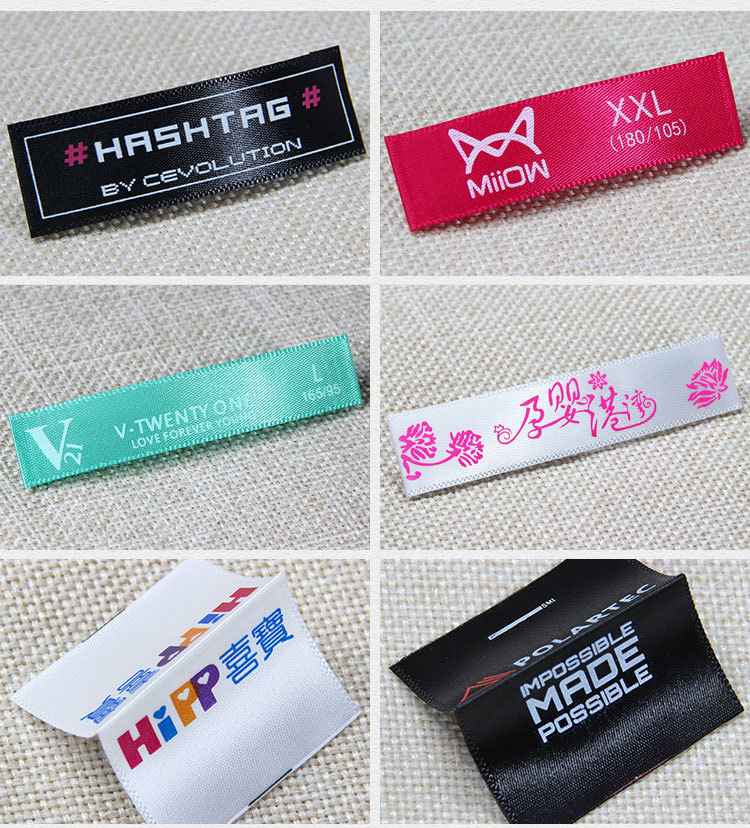
Custom Private Label Packaging
We offer custom packaging and private labeling services. Even for small-batch orders, we can provide fully customized solutions ranging from hangtags and care labels to individual packaging—such as custom logo hangtags, care labels listing ingredients and sizes, and packaging bags or outer boxes featuring your brand’s visual identity. Please note that different materials and processes—such as high-quality paper hangtags, eco-friendly packaging, or custom printing—will affect the cost.
Custom Printing
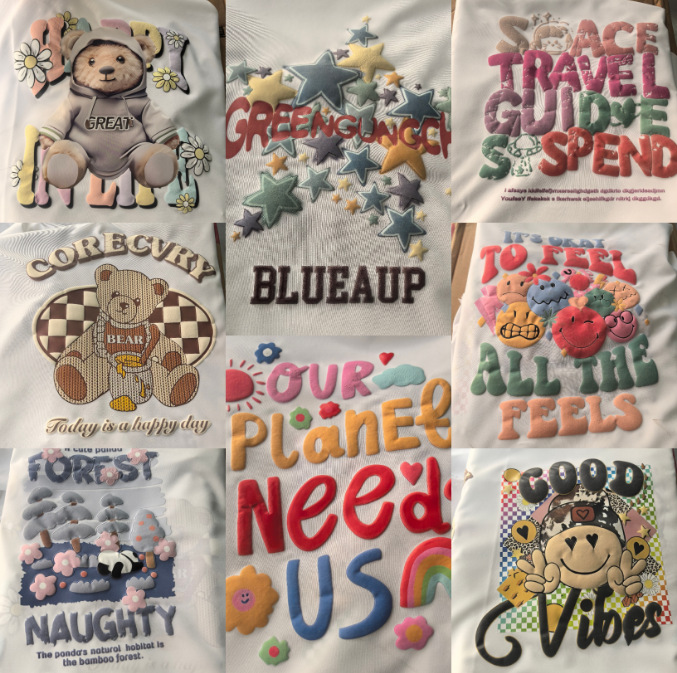
We offer a wide variety of printing options, including screen printing, digital printing, puff printing, 3D embossed printing, and embroidery. Each printing method differs in terms of cost, durability, and suitable fabrics.
Screen Printing
Screen printing is a common printing technique used in the apparel industry, primarily for knitwear such as T-shirts, sweatshirts, and hoodies. Depending on the fabric and printing materials used, screen printing can achieve a variety of effects and presentation styles.
Digital Printing
Digital printing offers advantages such as rapid response times, lower costs, and a high degree of customization, enabling it to meet market demands for small batches, a wide variety of products, and fast turnaround times.
Puff Printing
Puff printing, also known as 3D printing, involves adding several chemicals with high expansion coefficients to the paste printing dye in specific proportions. After drying, the printed area is heated to 200–300°C, causing the dye to foam and create a three-dimensional, “relief-like” effect. This printing technique is particularly well-suited for streetwear.
3D Embossing
In 3D embossing, a mold featuring a specific pattern is pressed against the fabric to create a raised, textured pattern on the fabric’s surface, resulting in a three-dimensional effect on the garment.
Custom Clothing FAQ
1. Q:What is the customization process? What steps are involved from design to finished product?
A: Yes. We support ODM/OEM services. You can provide reference images, sketches, or ideas, and we will assist in pattern development, fabric suggestions, and production processes to ensure that the design meets your requirements.
2. Q: Can you provide fabrics? Do you offer customization?
A: We can provide suitable fabrics for garments, such as cotton and cotton-polyester blends. We work with fabric suppliers and have ample fabric supply.
Custom fabrics require a minimum order quantity and will result in higher costs, therefore Low MOQ does not recommend custom fabrics.
3. Q: Will there be differences between samples and bulk orders? How are these differences controlled?
A: There are no differences between samples and bulk orders. We strictly produce bulk orders according to the samples. We use the confirmed sample (PP Sample) as the production standard and conduct quality control during bulk production to ensure consistency in color, size, and workmanship.
4. Q:Can you produce multiple styles or colors simultaneously?
A: Yes. The low MOQ model is ideal for multi-SKU testing, but different colors or designs may require separate quantity calculations, depending on the process.
5 Q:Can you customize a logo?
A: Yes. We support a variety of processes, including screen printing, digital printing, foam printing, and embroidery. We also provide complete brand customization services (Private Labels) such as hang tags and care labels.
6. How long does it take to produce samples and orders?
A: Samples generally take 7-10 days. Small batch orders are usually faster, around 30 days. The exact time depends on the order quantity and process requirements.